

Next Generation
PhD Health Data Scientists

We train health data scientists, computer scientists, software developers, and AI and machine learning researchers to become research and innovation leaders


Please note that we are no longer accepting applications for this recruitment round.


Our ambition

The EPSRC Centre for Doctoral Training in Data-Driven Health (DRIVE-Health) trains the next generation of health data scientists, computer scientists, software developers, and AI and machine learning researchers - a crucial component in the drive towards sustainable, equitable global healthcare.


Co-created with the NHS, patients, health tech and pharma, our interdisciplinary PhD training programme is delivered within an active NHS environment and focuses on optimising informatics technologies to address complex global healthcare challenges. By combining academic rigour with real-world applications, the EPSRC DRIVE-Health bridges the gap between complex healthcare needs and technological advancements.

To provide world-class training in health data science research to the next generation of health data scientists, who will have the multidisciplinary skills needed to enable transformations in public health and breakthrough treatments

To solve the most challenging problems in data-driven health research, through a diverse community of the brightest minds in health data science; and an open, collaborative culture which fosters exchange and innovation

To co-create a translational cross-sector collaboration with the NHS, industry, enterprise, policy makers and academia - a first of it's kind for health informatics training in the UK. We work with our broad network of strategic partners to ensure that the UK health sciences sector remains at the global forefront of innovation

Our science and learning environment

There are significant opportunities to revolutionise the delivery of healthcare, with the growing availability of biological, social, genomic, imaging and sensor/Internet-of-Things datasets and electronic health records.

DRIVE-Health PhD programmes focus on 5 key scientific research themes.
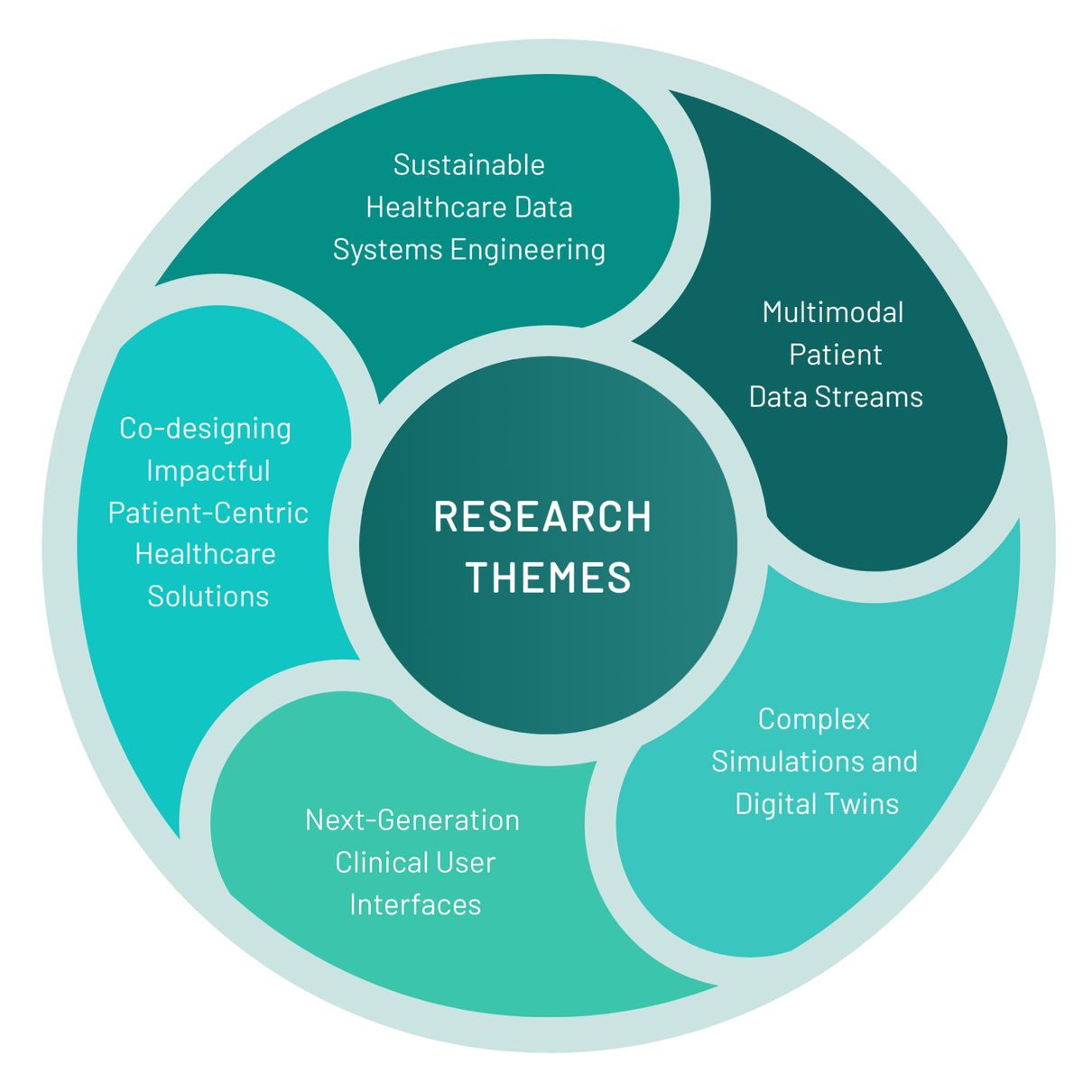
Health Data PhD Research Themes

News, Views & Insights
March 12, 2026
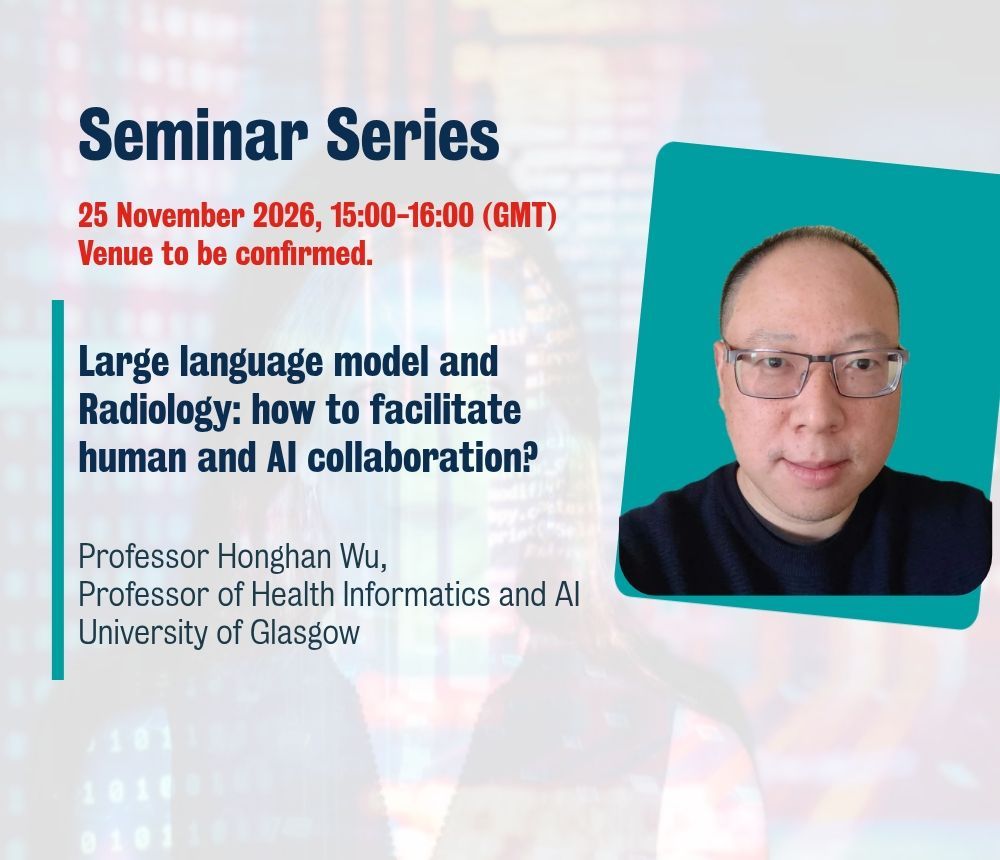
We are looking forward to welcoming Professor Honghan Wu, Professor of Health Informatics and AI at the University of Glasgow, who will deliver his talk “Large language model and Radiology: how to facilitate human and AI collaboration? " as part of our Seminar Series. Abstract: In this upcoming talk, Professor Honghan Wu explores the essential shift from viewing AI as a potential replacement for radiologists to recognizing it as a critical collaborative partner. Moving beyond basic tasks like detection and triage, the presentation highlights how AI can address practical clinical "pain points," such as reducing automated protocoling time by up to 60% and decreasing the time spent communicating with providers and patients by 30%. Professor Wu will present recent research on using knowledge-retrieval and Large Language Models for clinical report error correction and generation. The session concludes with an examination of the real-world deployment lifecycle, discussing the challenges of monitoring the over 700 FDA-cleared radiology AI devices currently in practice Seminar Series Event : “Large language model and Radiology: how to facilitate human and AI collaboration?" Date and Time: Thursday 25 June 2026, 15:00 – 16.00 hrs (BST) Location: Large Committee Room, Hodgkin Building, Guy's Campus Attendance: Mandatory for all DRIVE-Health students; a calendar invitation has already been sent. Registration: Alumni and wider King's College London research community all welcome - please email drive-health-cdt@kcl.ac.uk to let us know if you would like to attend. Biography Honghan Wu is a Professor of Health Informatics and AI, based in the School of Health and Wellbeing of the University of Glasgow, where he leads the research theme of data science and AI. Prof Wu is a co-director of Health Data Research Scotland. He also is an honorary professor at Hong Kong University, an honorary associate professor at Institute of Health Informatics, UCL, and a former Turing Fellow of The Alan Turing Institute, UK's national institute for data science and artificial intelligence. Prof Wu holds a PhD in Computing Science. His current research focuses on machine learning, natural language processing, knowledge graph and their applications in medicine.
March 12, 2026
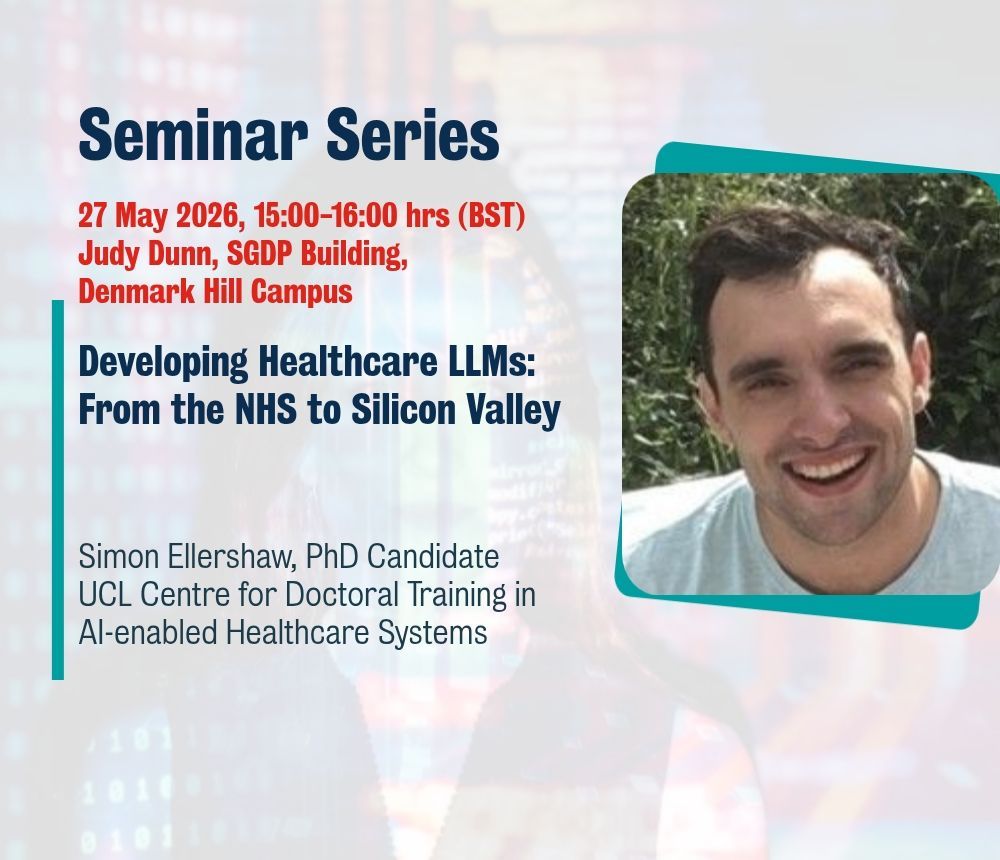
We are pleased to welcome Simon Ellershaw, PhD Candidate at University College London (UCL) as part of the UKRI UCL Centre for Doctoral Training in AI-enabled Healthcare Systems, who will deliver his talk “Developing Healthcare LLMs: From the NHS to Silicon Valley " as part of our Seminar Series. Abstract: This talk links my PhD and my Silicon Valley internship through one theme: what it really takes to build and deploy LLMs in healthcare. I will introduce Foresight England (Foresight E), a national-scale generative foundation model trained from scratch on 54.9 million de-identified longitudinal NHS EHRs to model patient timelines and enable zero-shot prediction across around 40,000 coded medical events. As NHS England has paused data access pending review, I will focus on the core methodology and lessons learned. I will then switch to my Parexel internship in San Francisco, where I worked in the company’s AI lab on production-focused applications, including pharmacovigilance and protocol de-risking. I will explain how I ended up there, what I worked on, and what I learned, with a candid view of what day-to-day life and work in the Bay Area actually looks like. I will also reflect on how the recent generative AI boom has reshaped the problems teams like ours choose to tackle and the way this work gets built, evaluated, and shipped. Seminar Series Event : “Developing Healthcare LLMs: From the NHS to Silicon Valley" Date and Time: Wednesday 27 May 2026, 15:00 – 16.00 hrs (BST) Location: Judy Dunn, SGDP Building, Denmark Hill Campus Attendance: Mandatory for all DRIVE-Health students; a calendar invitation has already been sent. Registration: Alumni and wider King's College London research community all welcome - please email drive-health-cdt@kcl.ac.uk to let us know if you would like to attend. Biography Simon Ellershaw is a PhD Candidate at University College London (UCL) as part of the UKRI UCL Centre for Doctoral Training in AI-enabled Healthcare Systems, supervised by Prof Richard Dobson and Dr Anoop Shah. His research spans LLM-based generation of hospital discharge summaries, national-scale pre-training of generative models on 57 million electronic health records, and post-training using real-world patient outcomes as verifiable reinforcement-learning rewards. Alongside his PhD, he interned at Parexel AI Labs and now works part-time as an NLP Engineer, developing and deploying production LLM/NLP systems, including applications in pharmacovigilance and quality assurance.
March 12, 2026
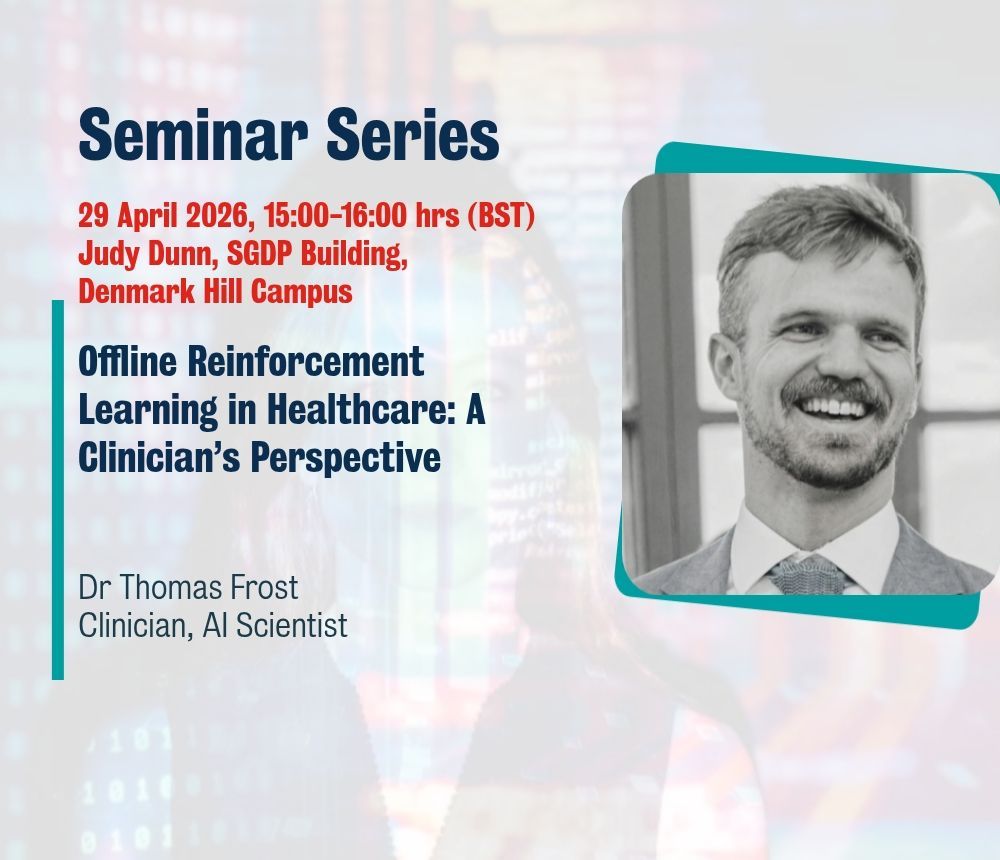
We are pleased to welcome Dr Thomas Frost , Clinician and AI Scientist, who will deliver his talk “Offline Reinforcement Learning in Healthcare: A Clinician’s Perspective " as part of our Seminar Series. Abstract: Reinforcement learning offers a framework for optimising clinical decision-making, having already achieved superhuman performance in gameplay and robotics. However, these models routinely learn using “trial-and-error” exploration, which is not feasible with real patients. To get around this, research in this field focuses on learning “offline” using retrospective EHR data. This talk covers some of the unique challenges of this approach from a healthcare perspective, with a particular focus on the nuances of decision timing and safe evaluation. Seminar Series Event : “Offline Reinforcement Learning in Healthcare: A Clinician’s Perspective" Date and Time: Wednesday 29 April 2026, 15:00 – 16.00 hrs (BST) Location: Judy Dunn, SGDP Building, Denmark Hill Campus Attendance: Mandatory for all DRIVE-Health students; a calendar invitation has already been sent. Registration: Alumni and wider King's College London research community all welcome - please email drive-health-cdt@kcl.ac.uk to let us know if you would like to attend. Biography Dr Thomas Frost is an Emergency Medicine physician and machine learning researcher based in the Institute of Health Informatics at UCL. Currently completing his PhD as part of the UKRI-sponsored CDT for AI-enabled healthcare, his research focuses on the application of offline reinforcement learning for optimising ICU drug infusions in real-time. With seven years of frontline NHS experience, Dr Frost relies on a combination of clinical and technical expertise to help produce realistically deployable AI models. His work on robust hospital mortality prediction was recently published in Proceedings of Machine Learning Research, and in 2025, he was named a UCL Centre for Digital Innovation Scholar for his research.
March 10, 2026
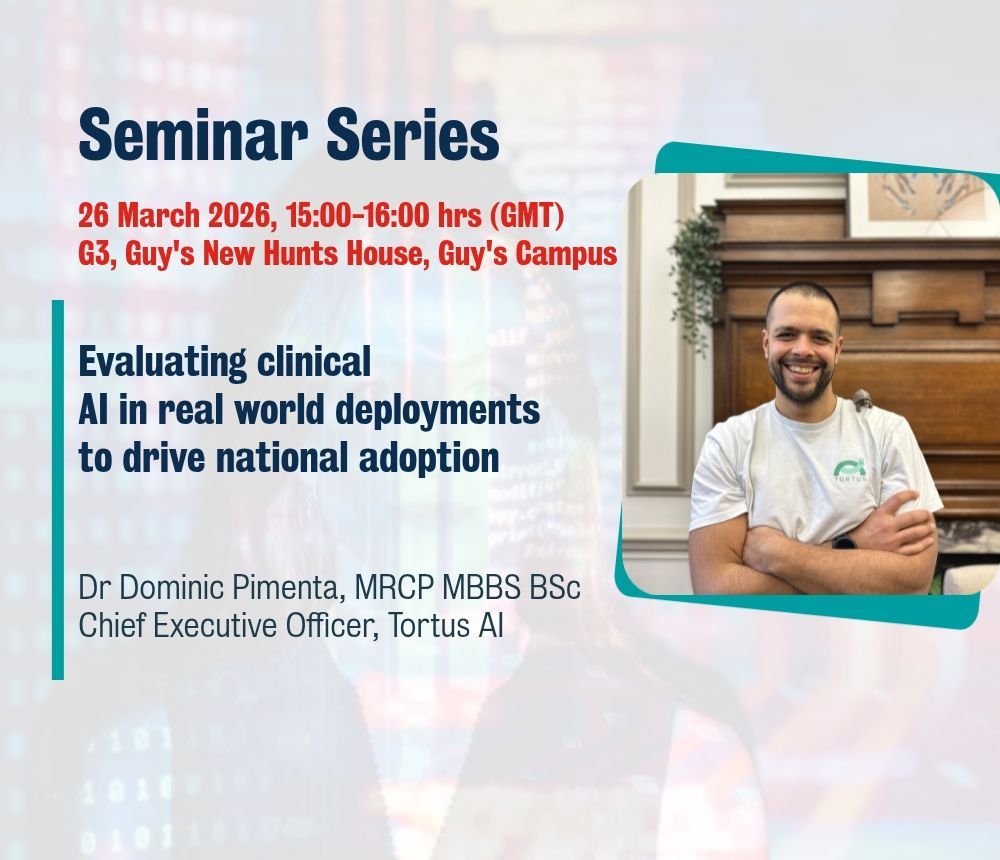
We are pleased to announce that Dr Dominic Pimenta, Chief Executive Officer at Tortus AI, will deliver his talk “Evaluating clinical AI in real-world deployments to drive national adoption" as part of our Seminar Series. Abstract: TORTUS has been at the forefront of the delivery of AVT in trials across London and creating the data to implement in the ten-year plan, as well as publishing the LLM clinical ontology framework in Nature Digital Medicine. As we move from proving the use case today to developing the AI systems of tomorrow, the session will talk about the state of the art in AI evaluation in healthcare. Seminar Series Event : “Evaluating clinical AI in real-world deployments to drive national adoption" Date and Time: Thursday 26 March February 2026, 15:00 – 16.00 hrs (GMT) Location: G3, Guy's New Hunts House, Guy's Campus Attendance: Mandatory for all DRIVE-Health students; a calendar invitation has already been sent. Registration: Alumni and wider King's College London research community all welcome - please email drive-health-cdt@kcl.ac.uk to let us know if you would like to attend. Biography Dr Dom Pimenta, CEO of Tortus AI, graduated with triple distinction from UCL MBBS in 2012. After practicing for ten years in the NHS as a cardiologist, Dr Pimenta became a pharmaceutical physician via a stint in COVID ICU. During this time, Dr Pimenta ran large-scale digital health trials and published in the field of applied AI in healthcare. Dr Pimenta became frustrated by the increasing power of clinical AI models in academia, but the paucity of application in the real world. Deciding to make this his career mission, Dr Pimenta was accepted to Europe's best accelerator programme, Entrepreneur First, and met his co-founder Christopher Tan, an up-and-coming machine learning scientist. Together, they founded TORTUS, building the world's first AI agent for healthcare, a true co-pilot that can not only take over all software tasks from physicians, but use other forms of AI as well. Their vision is to bring clinical AI tools into the hands of every physician, using any software system, anywhere. Dr Pimenta was previously the founding CEO and later chair of The Healthcare Workers' Foundation, a charity that raised £3.2m to support healthcare workers during the 2020 COVID pandemic. Dr Pimenta has received multiple awards for his work, including the Young Investigator Award at the European Society of Preventative Cardiology and the Royal Academy of Engineers President's Award for Services to the Pandemic. When not founding companies and charities, Dr Pimenta is a very busy husband and father of three, as well as the owner of a particularly famous cat.
February 10, 2026
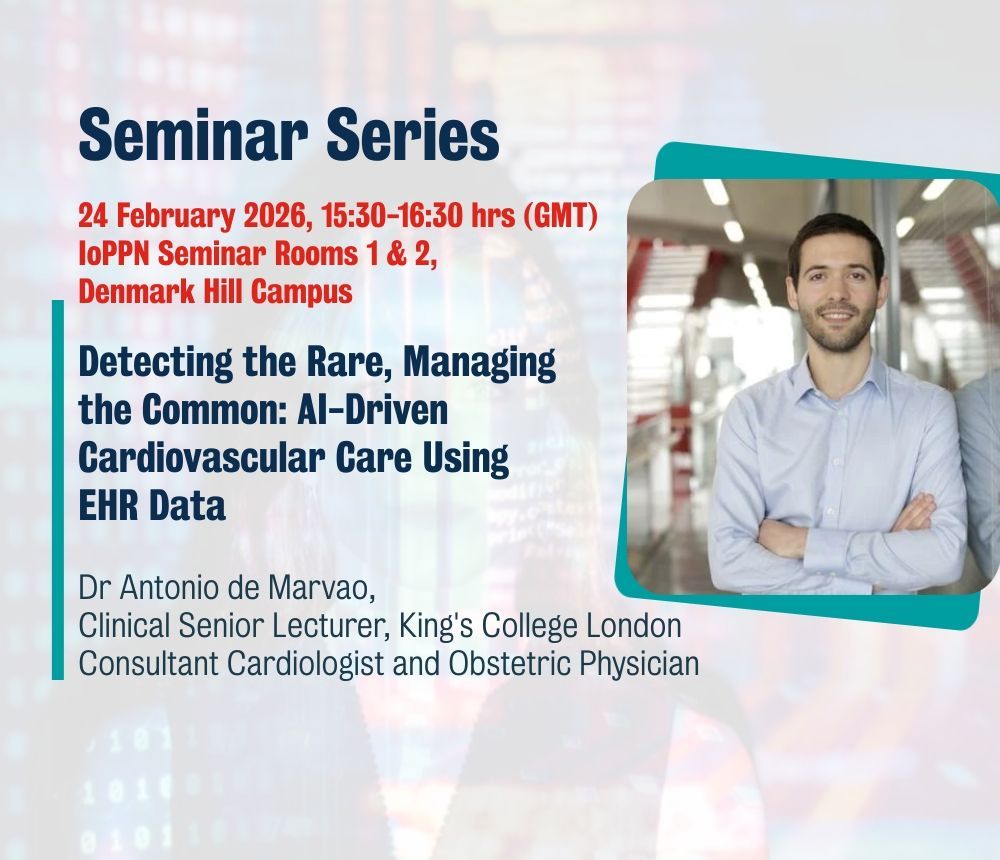
We were pleased to welcome Dr Antonio de Marvao - Clinical Senior Lecturer at King's College London, and Consultant Cardiologist and Obstetric Physician at GSTT and KCH - who delivered his talk “Detecting the Rare, Managing the Common: AI-Driven Cardiovascular Care Using EHR Data" as part of our Seminar Series. Abstract: Cardiovascular disease encompasses rare inherited conditions and highly prevalent disorders such as hypertension and cardiometabolic disease. Despite differing epidemiology, both require accurate, dynamic and scalable risk stratification. Electronic health records provide longitudinal, multimodal data at population scale. However, their heterogeneity and fragmentation demand advanced artificial intelligence methods to generate clinically actionable insight. Approximately 70 to 80 percent of NHS data exists in unstructured free text, rendering much of the clinically relevant signal inaccessible to conventional analytics without natural language processing or large language models. To address this challenge, we have been developing an AI-enabled framework for real-world cardiovascular risk prediction using integrated EHR data. The approach brings together structured clinical variables, imaging outputs and free-text documentation within secure hospital environments. Natural language processing and large language models are used to transform narrative records into computable features, while chain-of-thought reasoning architectures extract guideline-defined risk parameters directly from routine documentation. This enables automated calculation of established risk scores and dynamic longitudinal reassessment within an agentic workflow. Local, open-source models are evaluated across parameter scales to ensure an appropriate balance between accuracy, safety and computational efficiency for clinical deployment. In inherited cardiac conditions, this approach enables automated extraction of echocardiographic and clinical features required for sudden cardiac death risk prediction, reducing manual burden and supporting real-time monitoring. The same principles extend to hypertensive disorders of pregnancy, facilitating earlier detection, structured surveillance and stratification of long-term cardiovascular risk. Integration of high-resolution EHR-derived phenotypes with genomic and multi-omics datasets further supports progression from risk prediction to biological insight and therapeutic target discovery. Applied rigorously, AI methodologies operating on routine healthcare data provide a scalable foundation for precision cardiovascular care across the life course. Seminar Series Event : “Detecting the Rare, Managing the Common: AI-Driven Cardiovascular Care Using EHR Data" Date and Time: Tuesday 24 February 2026, 15:30 – 16.30 hrs (GMT) Location: IoPPN Seminar 1 & 2, Denmark Hill Campus Attendance: Mandatory for all DRIVE-Health students; a calendar invitation has already been sent. Registration: Alumni and wider King's College London research community all welcome - please email drive-health-cdt@kcl.ac.uk to let us know if you would like to attend. Biography Antonio de Marvao is a Clinical Senior Lecturer at KCL, and a Consultant Cardiologist and Obstetric Physician at GSTT and KCH, specialising in inherited cardiac conditions, maternal cardiology, and hypertensive disorders of pregnancy. His research sits at the intersection of electronic health records (EHR) derived phenotyping, genomics/multi-omics, and cardiovascular imaging, using machine learning to improve risk prediction modelling and personalise care, across the reproductive continuum - from pregnancy to postpartum - and long-term cardiovascular prevention. He leads work within the NHS England Genomic AI Network, applying natural language processing, large language models and multimodal EHR integration to identify patients with inherited cardiovascular disease, streamline specialist review, and improve access to genetic testing and family screening. In parallel, his group also uses AI and EHR data to better define and detect hypertensive disorders of pregnancy at scale, quantify disparities, and enable earlier, more targeted intervention.
December 17, 2025
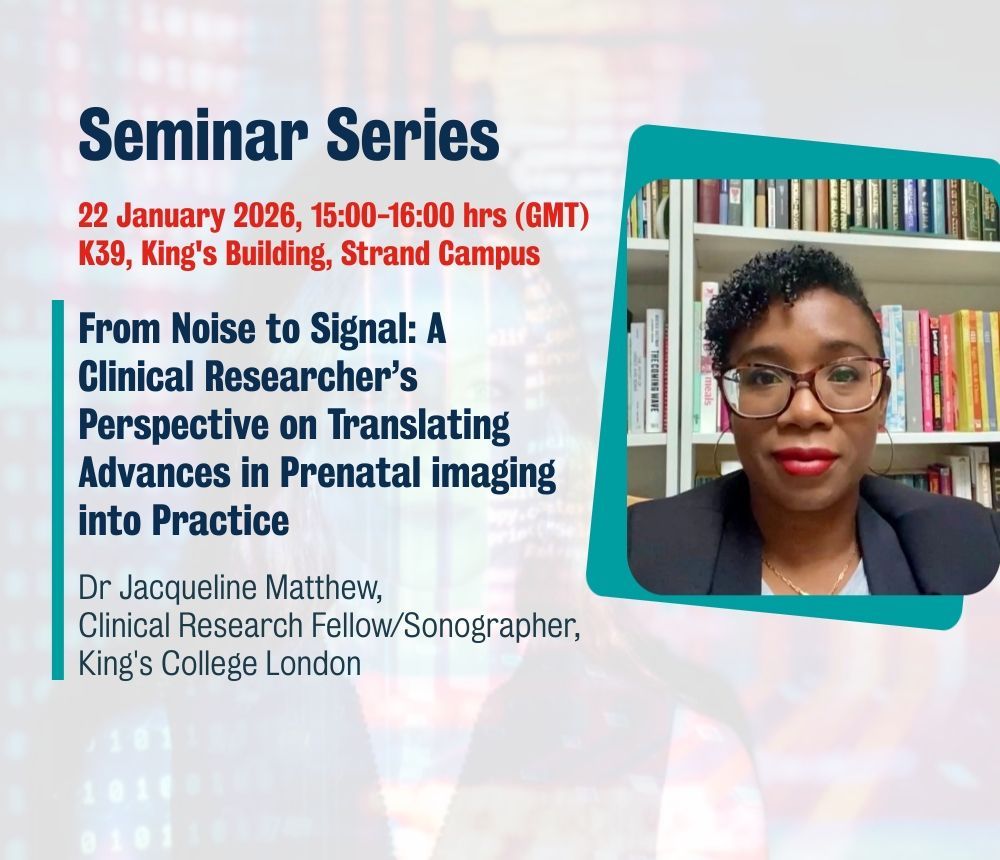
We were pleased to welcome Dr Jacqueline Matthew - Clinical Research Fellow/Sonographer at King's College London - who delivered her talk “From Noise to Signal: A Clinical Researcher's Perspective on Translating Advances in Prenatal imaging into Practice" as part of our Seminar Series. Abstract: Over the past decade, machine learning approaches in prenatal imaging has advanced from exploratory academic prototypes to clinically usable, real-time tools, but the path between those two endpoints is rarely straightforward. In this talk, Jacqueline offered a clinical researcher’s perspective on translating biomedical engineering innovations into real-world impact, tracing the journey from the iFIND project’s early breakthroughs in automated fetal imaging to the creation of Fraiya, an AI-driven ultrasound platform now entering clinical deployment. She unpacked the technical, clinical, and regulatory hurdles that shape this trajectory: data acquisition at scale, annotation complexity, model robustness, pipeline optimisation for real-time use, clinical safety engineering, regulatory strategy, and integration with NHS digital ecosystems. Beyond the technical achievements, the session reflected honestly on the innovation “gaps” that researchers and engineers encounter when stepping into entrepreneurship. From productising research outputs, building 'with' clinicians and service users not just 'for' them, securing buy-in, navigating procurement, and proving value in operationally stretched healthcare services. The aim was to provide a pragmatic and motivating roadmap for researchers and innovators seeking to turn biomedical AI research into deployable, sustainable solutions in healthcare. Seminar Series Event : “From Noise to Signal: A Clinical Researcher's Perspective on Translating Advances in Prenatal imaging into Practice. Date and Time: Thursday 22 January 2026, 15:00 – 16.00 hrs (GMT) Location: K39, King's Building, Strand Campus Attendance: Mandatory for all DRIVE-Health students, therefore please accept the calendar invitation. Registration: Alumni and wider King's College London research community all welcome - please email drive-health-cdt@kcl.ac.uk to let us know if you would like to attend. Biography Jacqueline is a clinical academic, sonographer, and MedTech entrepreneur with over 20 years of experience in advancing pregnancy care through compassionate, technology-driven solutions. Specialising in ultrasound and fetal MRI, Jacqueline’s work focuses on leveraging cutting-edge imaging technologies to improve screening, diagnosis, and care for pregnant women. With a PhD in advanced 3D ultrasound and fetal MRI, Jacqueline uses machine learning to refine diagnostic pathways, pushing the boundaries of what’s possible in prenatal care. As Clinical Lead and Chief Medical Officer at an early-stage health tech startup, she has been at the forefront of developing a real-time AI-powered pregnancy ultrasound platform, with ambitions to transform how scans are performed, enhancing diagnostic accuracy, and empowering healthcare professionals to deliver more informed and compassionate care. Jacqueline’s work has earned her widespread recognition, including being named one of the inaugural winners of the NHS England CAHPO Gold Award for Excellence, which celebrates health professionals who exemplify exceptional contributions to healthcare and the NHS values.
October 22, 2025
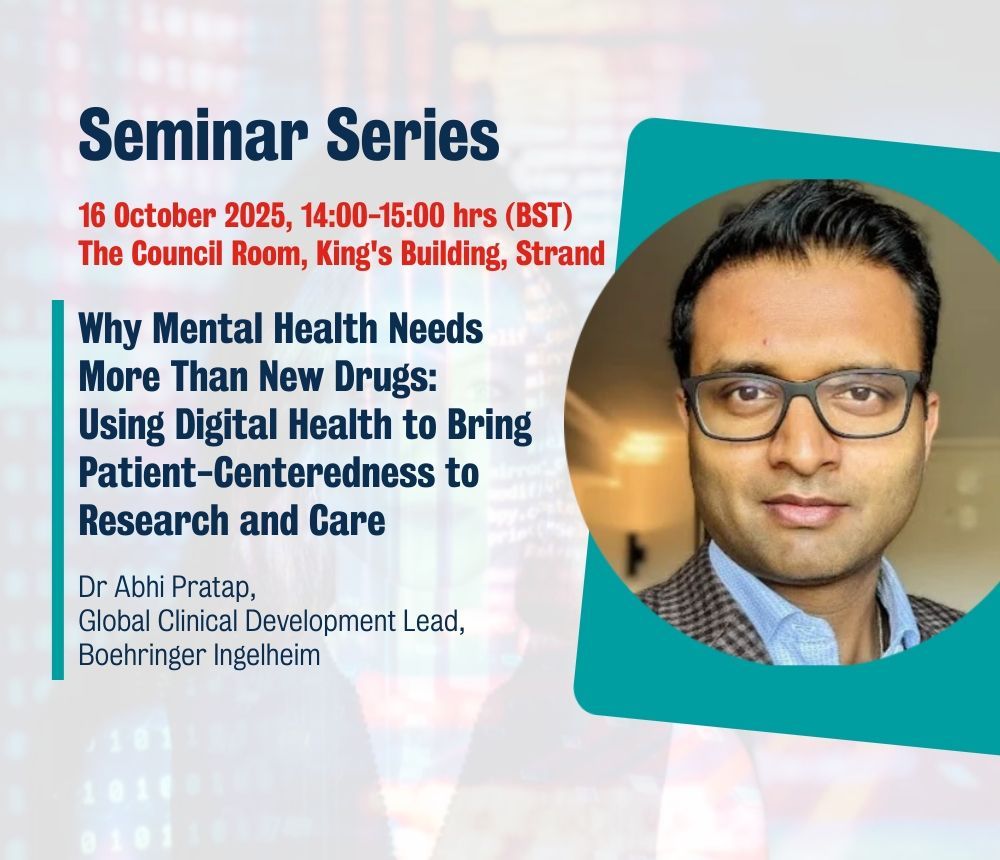
We were thrilled to welcome Dr Abhi Pratap - Global Clinical Development Lead at Boehringer Ingelheim who delivered our October Seminar Series. In his talk “Why Mental Health Needs More Than New Drugs: Using Digital Health to Bring Patient-Centredness to Research and Care" , Abhi shared case examples from emerging clinical studies to show how digital health can bridge the gap between clinical research and patient care in mental health. We will explore digital health solutions that help quantify the real-world experiences of health that matter to people - bringing us closer to understanding what treatments work for whom, why, when, and for how long. Abstract: Innovation in mental health treatment has been strikingly limited compared to other fields of medicine. In the last 15 years, fewer than five truly novel psychiatric drugs have received regulatory approval. This stagnation reflects multifaceted challenges linked to heterogeneity of psychiatric disorders often lacking biological markers grounded in disease biology. Additionally, there is significant reliance on subjective clinician-, rater-, or patient-reported outcomes, which increases variability in trial outcomes and poses challenges in patient selection and endpoint determination. Clinical studies also encounter persistent obstacles, such as high dropout rates, poor generalizability, and endpoints that frequently do not reflect what patients and their families value most. Consequently, there is a critical gap in new treatment development that are patient-centered, enhancing quality of life in real-world settings. Use-case-centered implementation of digital health technologies offers a realistic path to address many of these barriers. Real-world data collected from smart devices can enable the continuous and ecologically valid capture of mood, cognition, behavior, and functioning, augmenting traditional, episodic assessments. This richer measurement framework can enhance sensitivity to change, reduce trial inefficiencies, and ground outcomes more directly in patients lived experience. In addition, the same smart devices can be used to deliver digital adaptations of psychosocial interventions, expanding access to evidence-based care and offering personalized and scalable options for populations that have been historically underserved due to stigma, geography, or cost. Dr. Abhi Pratap is the Global Clinical Development Lead at Boehringer Ingelheim, where he oversees clinical development programs for digital therapeutics aimed at addressing unmet needs in serious mental illnesses. Before joining Boehringer, he worked at Biogen, managing one of the largest decentralised studies on cognitive trajectories in real-world settings in collaboration with Apple. With over 15 years of experience in translational biomedical research, Dr. Pratap has led numerous health research studies that promote partnerships between academia and industry. His primary focus is on using digital health technologies to gain a deeper understanding of the real-life experiences of individuals with neurological and psychiatric disorders. His cross-sector research aims to accelerate patient-centered clinical development in central nervous system (CNS) disorders. Most recently, he led a successful pivotal Phase III trial targeting experiential negative symptoms of schizophrenia (NCT05838625) using a digital therapeutic. This study is among the first confirmatory trials to show improvement in negative symptoms to date. Additionally, Dr. Pratap serves as an adjunct faculty member at the University of Washington in Seattle and Boston University, and he is a visiting research fellow at King’s College London.
September 2, 2025
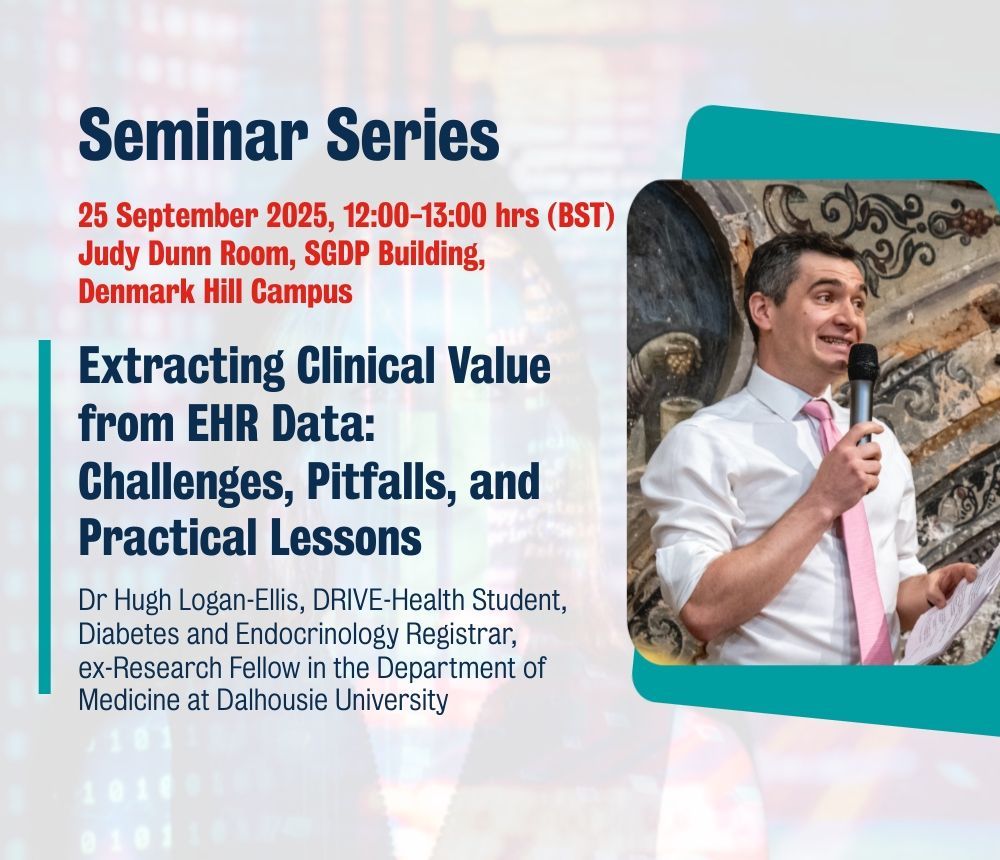
It was great to welcome back DRIVE-Health PhD student, Dr Hugh Logan-Ellis - a Diabetes and Endocrinology Registrar at King's and ex-Research Fellow in the Department of Medicine at Dalhousie University - who delivered our September Seminar Series. In his talk “Extracting Clinical Value from EHR Data: Challenges, Pitfalls, and Practical Lessons" , Hugh shared what clinicians have taught him about the reality of working with Electronic Health Record data and what they genuinely need from #AI tools, rather than what researchers might think they should want. Hugh has learned that making the most clinically useful tool could matter more than theoretical perfection. He'll discuss some principles he's gathered to help create AI solutions that fit seamlessly into clinical workflows, which he hopes might help others bridge the gap between academic research and genuine patient benefit. Using his PhD research on creating a single unit of health from #EHR data as a central example, Hugh will explore broader challenges: the messiness of real-world clinical data, the proliferation of unused risk scores, and why so many promising algorithms never make it past publication. These insights aim to help researchers develop tools that won't just die in papers, but have a real chance of improving clinical care. Seminar Series Event: " Extracting Clinical Value from EHR Data: Challenges, Pitfalls, and Practical Lessons" Date and Time: Thursday 25 September 2025, 12:00 – 13.00 hrs (BST) Location: The Judy Dunn Room, SGDP Building, Denmark Hill Campus, London, SE5 8AF Attendance: Mandatory for all DRIVE-Health students, therefore please accept the calendar invitation. Registration: Alumni and wider King's College London research community all welcome - please email drive-health-cdt@kcl.ac.uk to let us know if you would like to attend. Abstract: Picture the scene: It's Saturday morning, you're the senior resident doctor on call in a busy hospital, and you have a 40-page list of patients due for review. Half of your junior colleagues have called in sick, and you know you can't possibly see everyone. How do you decide who needs to be seen most urgently? The information to make these decisions is in the electronic health records, but accessing it quickly means opening each patient's chart individually. My PhD tries to tackle this problem: could we use an algorithm to compress scattered clinical data into a single, practical number? This question has led me on an interesting journey. I've spoken with clinicians from around the world about how they decide who is "sickest," discovering a surprising variety of terms for essentially the same idea and realising we might need more than one measure. My research has taken me to Canada to collaborate with Professor Kenneth Rockwood OC, whose groundbreaking work on frailty measurement has significantly shaped clinical practice worldwide. Working alongside him has given me valuable insights into why some academic ideas successfully transform patient care, while others remain confined to journals. As I explored increasingly sophisticated approaches to measure sickness, from simple laboratory-based indices to complex machine learning models, I stumbled across a key insight. Supervised machine learning can hindered by retrospective health data because when sick patients are successfully treated, they don’t have poor outcomes. This isn't just a quirky finding relevant to my PhD; it has broader implications for using a supervised paradigm on retrospective data whenever effective treatments are already in place. Bio Hugh is a resident medical doctor specialising in Internal Medicine and Diabetes and Endocrinology, working on his PhD at King's College London. His research focuses on measuring patient health status using electronic health records, drawing on his experience working across various healthcare settings in the UK and internationally.
April 9, 2025
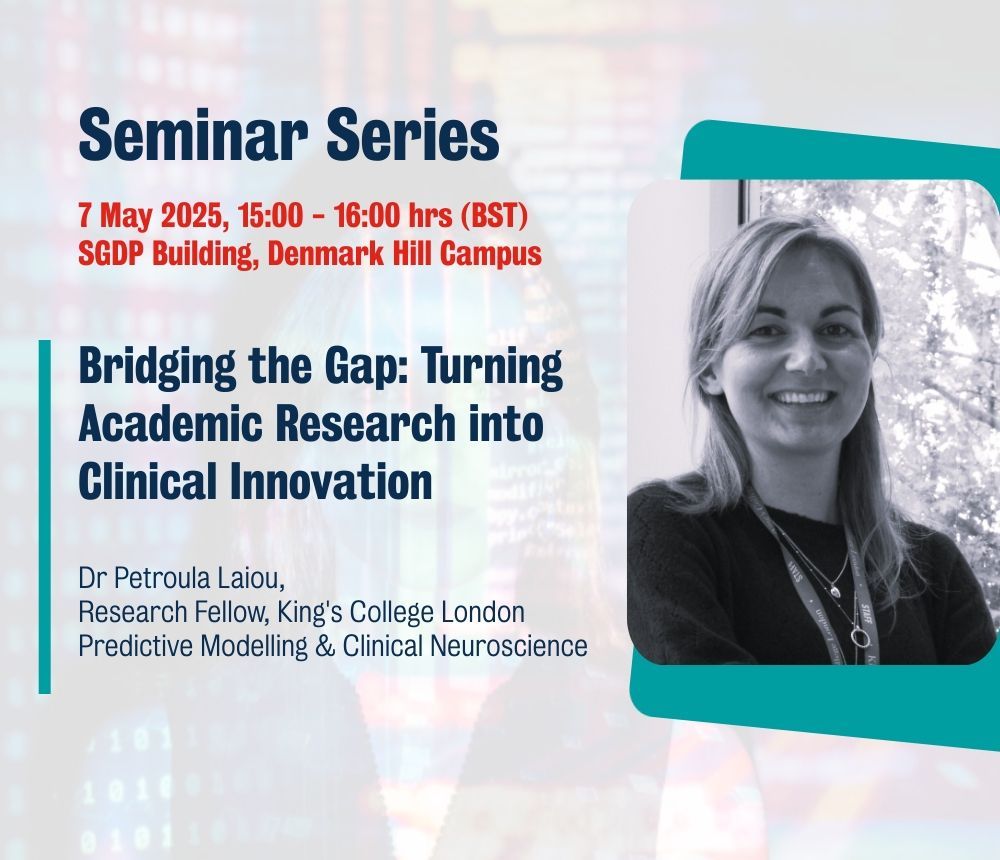
Thanks to Dr Petroula Laiou from King's College London , for delivering our May Seminar Series with her talk, "Bridging the Gap: Turning Academic Research into Clinical Innovation " . Petroula shared her journey of translating cutting-edge academic research into a mission-driven MedTech company. The spinout is pioneering a novel approach to forecasting and preventing seizures in people with drug-resistant epilepsy - an innovation rooted in years of interdisciplinary work at the intersection of clinical neuroscience, signal processing, and artificial intelligence. Dr. Laiou took the audience through the full translational pathway: from identifying an unmet clinical need, designing and analysing first-in-human studies, and developing a seizure prediction algorithm, to securing translational funding, navigating the intellectual property landscape, and filing an international patent (PCT/GB2024/052456). She reflected on key lessons learned during her time in the King’s MedTech Accelerator Programme - where the team won the Best Innovation award - and share insights on building bridges between academia and industry, shaping a commercialization strategy, and transitioning from researcher to entrepreneur. The talk also highlighted the challenges and rewards of launching a spinout in the healthcare sector and offer practical advice for PhD students and early-career researchers considering the entrepreneurial route. Seminar Series Event: "Bridging the Gap: Turning Academic Research into Clinical Innovation" Date and Time: Wednesday 7 May 2025, 15:00 – 16.00 hrs (BST) Location: The Lorna Wing Room, SGDP Building, Denmark Hill Campus, London, SE5 8AF Attendance: Mandatory for all DRIVE-Health students, therefore please accept the calendar invitation. Registration: Alumni and wider King's College London research community all welcome - please email drive-health-cdt@kcl.ac.uk to let us know if you would like to attend. Dr. Petroula Laiou is a Research Fellow in Predictive Modelling and Clinical Neuroscience at King’s College London. With a background in mathematics, computational physics, and a PhD in signal analysis, her research bridges computer science, neuroscience, and machine learning. Her work focuses on developing predictive models and digital biomarkers for neurological and psychiatric disorders, including epilepsy and depression. Dr. Laiou led the development of a novel seizure forecasting algorithm using intracranial EEG and cortical responses to electrical stimulation—research that led to the filing of an international patent (PCT/GB2024/052456). She is the recipient of multiple research grants, including an MRC award as Principal Investigator, and her translational work was recognised by the King’s MedTech Accelerator Programme, where her team won the Best Innovation award. She has authored over 40 peer-reviewed publications, presented at major international conferences, and actively contributes to interdisciplinary collaborations across academia, hospitals, and industry.
March 5, 2025
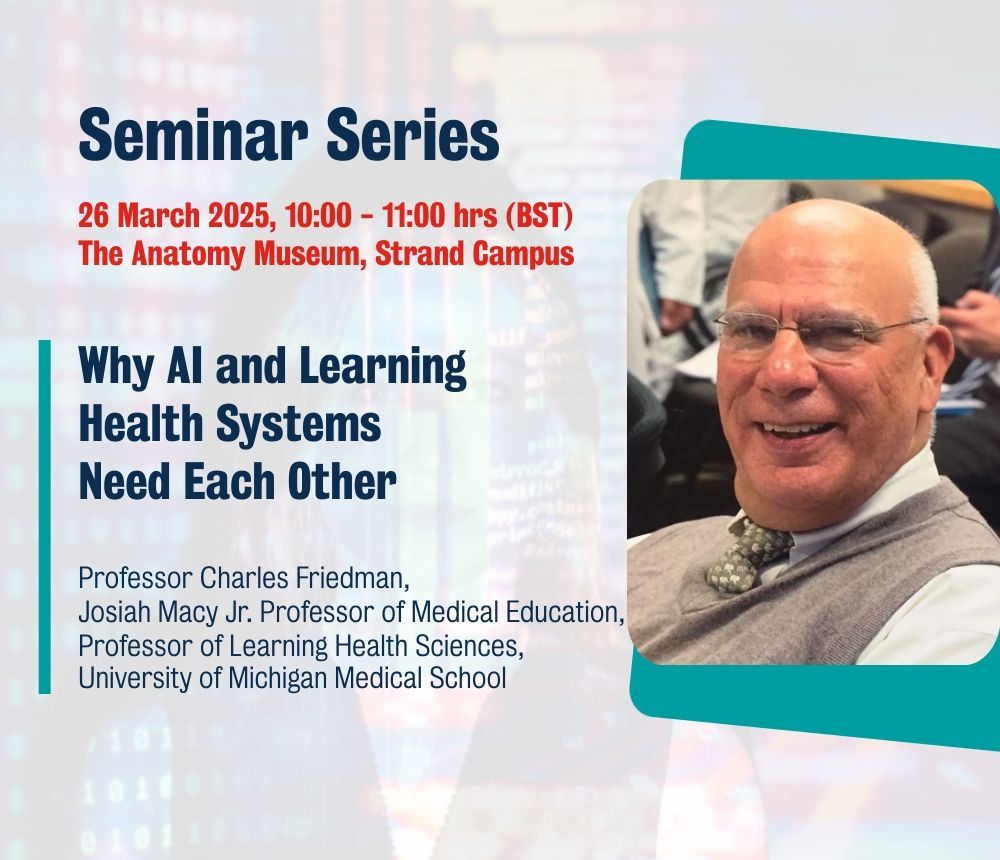
We were thrilled to welcome Charles Friedman from the University of Michigan Medical School , who delivered our March Seminar Series with his talk, "Why AI and Learning Health Systems Need Each Other " . Charles began by advancing the idea that, while both are extremely important: AI is a means and Learning Health Systems (LHS) are an end--and why it is most important to maintain that distinction. He introduced the socio-technical infrastructure required for high-functioning learning systems and argue that this infrastructure provides a framework, actually a schematic, for successfully implementing AI into healthcare. Charles Friedman is Professor of Learning Health Sciences at the University of Michigan Medical School, where he directs the Knowledge Systems Laboratory. He was formerly Founding Chair of the Department of Learning Health Sciences and the Josiah Macy Jr. Professor of Medical Education. He holds joint appointments in the Schools of information and Public Health. He is editor-in-chief of the open-access journal Learning Health Systems and co-chair of the multi-national movement to Mobilize Computable Biomedical Knowledge. Throughout his career, Friedman has developed and studied methods to improve health, education, and research through innovative applications of information technology. Most recently, Friedman has focused his academic interests and activities on the concept of Learning Health Systems that improve health by marrying discovery to implementation, and the socio-technical infrastructure required to sustain these systems. Friedman is a Distinguished Fellow of the American College of Medical Informatics, and a founding fellow of the International Academy of Health Sciences Informatics. He holds an honorary doctorate from the University of Lucerne in Switzerland for his contributions to the science of Learning Health Systems. Prior to coming to Michigan, Friedman held executive positions at the Office of the National Coordinator for Health IT (ONC) in the U.S. Department of Health and Human Services. Immediately prior to his work in the government, he was Associate Vice Chancellor for Biomedical Informatics, and Founding Director of the Center for Biomedical Informatics at the University of Pittsburgh. Seminar Series Event: "Why AI and Learning Health Systems Need Each Other" Date and Time: Wednesday 26 March 2025, 10:00 – 11.00 hrs (BST) Location: The Anatomy Museum, King's Building, Room K6.36, Strand Campus, Strand, London, WC2R 2LS Attendance: Mandatory for all DRIVE-Health students, therefore please accept the calendar invitation. Registration: Alumni and wider King's College London research community all welcome - please email drive-health-cdt@kcl.ac.uk to let us know if you would like to attend.
January 31, 2025
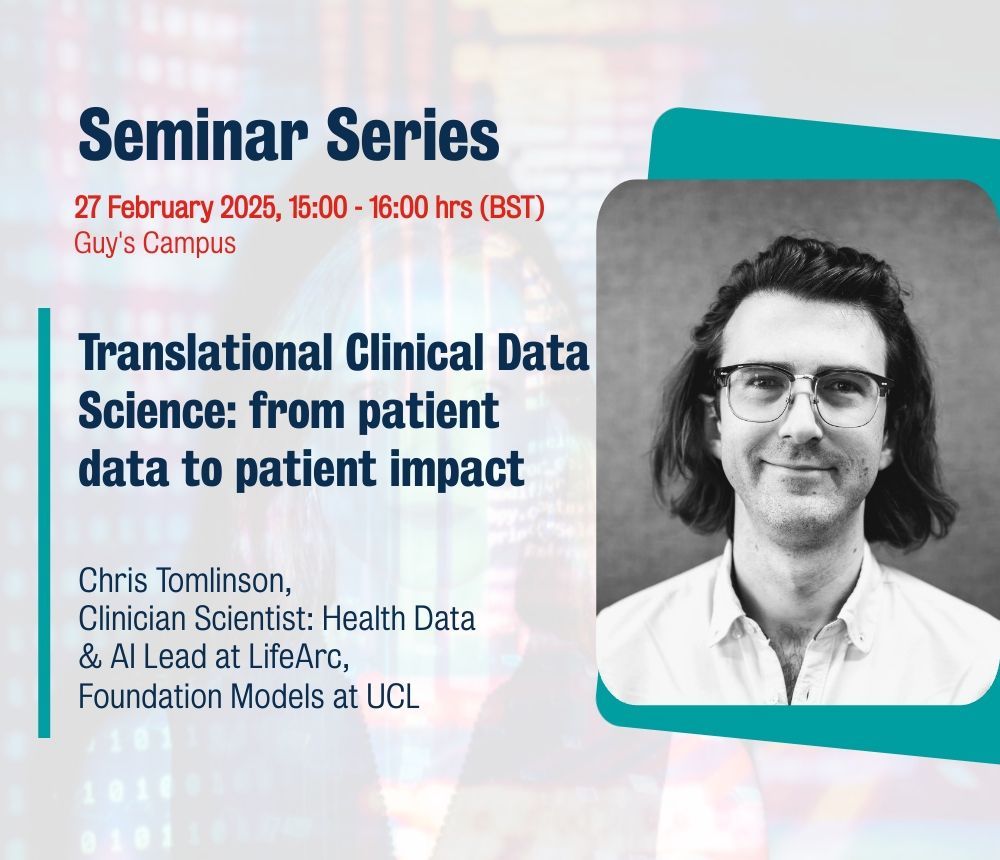
It was a pleasure to welcome C hris Tomlinson from LifeArc , who delivered our February Seminar Series with his talk, "Translational Clinical Data Science: from patient data to patient impact " . Chris gave an overview of LifeArc, a self-funded translational research charity, seeking to deliver patient benefit and address unmet needs. As UK Health Data & AI lead, he focuses on how they harness data science and AI to fulfil their aim: to ‘make life sciences, life changing’. Chris is a clinician by background, specialising in Anaesthesia & Intensive Care, before transitioning to full-time research. His work leverages electronic health records, epidemiology and artificial intelligence at scale to advance our understanding of health and disease, and address the fundamental challenges of precision medicine. His research has been featured in top medical journals and informed both policy and clinical practice internationally. Seminar Series Event: "Translational Clinical Data Science: from patient data to patient impact" Date and Time: Thursday 27 February 2025, 15:00 – 16.00 hrs (BST) Location: Hodgkin Building, Classroom 6, Guy's Campus Attendance: Mandatory for all DRIVE-Health students Registration: Students, alumni and wider King's College London research community, please email drive-health-cdt@kcl.ac.uk to register.
January 6, 2025
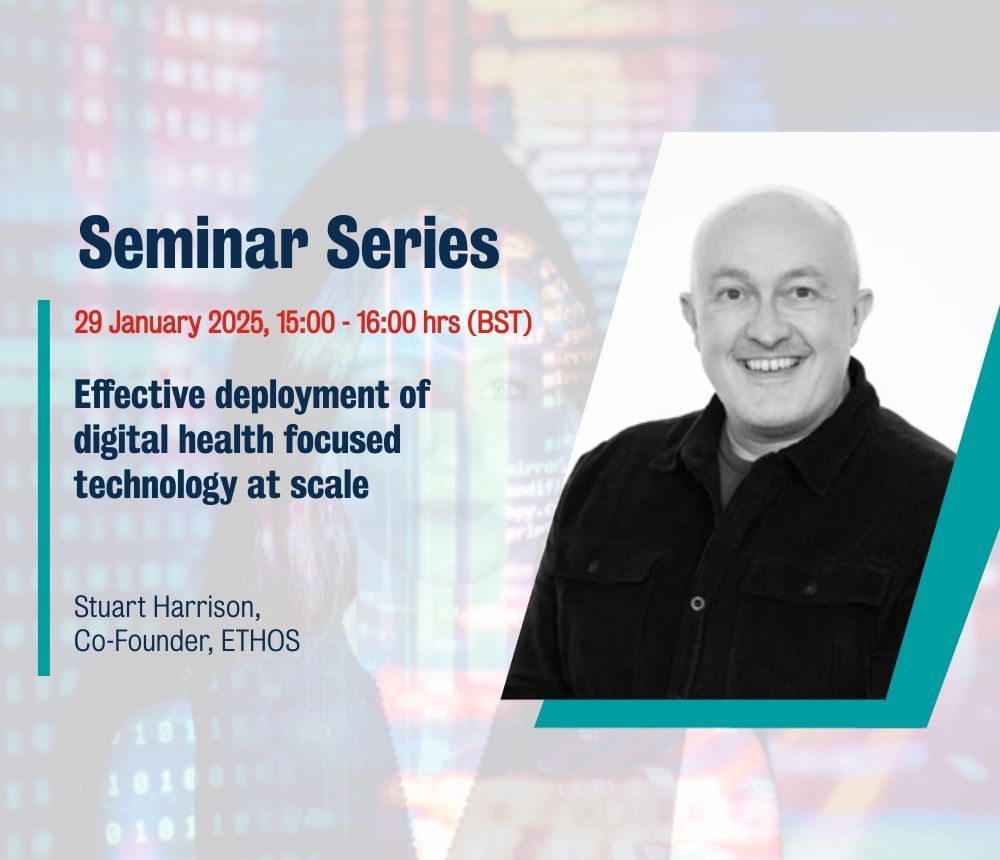
It was a pleasure to welcome Stuart Harrison from ETHOS , who delivered our first 2025 Seminar Series with his talk, "Effective deployment of digital health focused technology at scale " . Stuart has led the Clinical Safety movement in the NHS alongside some of the most prominent Clinical leaders for over 20 years. Stuart is now the co-founder & director of ETHOS, a company providing ethical services to the health industry. Seminar Series Event: "Effective deployment of digital health focused technology at scale" Date and Time: 15:00 – 16.00, Wednesday 29 January 2025 Location: The Judy Dunn Room, Social Genetic and Developmental Psychiatry Building, Denmark Hill Campus, Memory Lane, London SE5 8AF Registration: EPSRC DRIVE-Health students, alumni and wider King's College London research community. Please email drive-health-cdt@kcl.ac.uk to register interest. Abstract: ETHOS will provide insight into the requirements for the safe, secure, and effective deployment of digital health focused technology at scale. Discussions concerning early research problem identification, health system challenges and taking research through to minimum viable product (MVP) and minimum marketable product (MMP). The objective is to highlight the benefit of earlier alignment with regulatory challenges to aid successful interventions and to demonstrate standards can be an enabler not a barrier to innovation. Stuart Harrison has led the Clinical Safety movement in the NHS alongside some of the most prominent Clinical leaders for over 20 years. Stuart is now the co-founder & director of a company providing ethical services to the health industry. ETHOS Ltd was formed in 2014 as a result of a feasibility study completed in partnership with a large pharmaceutical company in the interests of furthering medical science / MedTech innovation. ETHOS was formed from subject matter experts in the compliance requirements for the NHS covering security, information governance, clinical safety, Medical Devices and General Data Protection Regulations. Stuart’s background is Engineering, particularly safety critical industries where safety has immediate risk to harm to system users or the wider general population. He was one of the original authors of the clinical safety standards. An expert advisor (BSI UK) international safety, security, and effectiveness standards; leading this area since 2017 and creating a legacy from the widely recognised NHS clinical safety practises into the international health informatics industry. Stuart has significantly contributed to over 1000 health software systems being clinically assured and provided subject matter input to over 3000 service incidents with patient safety impact in the NHS. He led the creation of clinical risk management toolkits to enable self-certification across the industry for low-risk unregulated health software & ensuring they are compatible with new medical device regulations. A specialist advisor to NICE for medical technology and work closely with MHRA and other arm’s length bodies where patient safety and health software initiatives are needed. A steering group member and advisor to many professional institutions and organisations representing digital health; Stuart is helping to influence safety culture and methods across a number of domains. Stuart was co-author of the government’s Regulators Pioneer Fund bid to address the assurance of AI & machine learning in health software. Having successfully facilitated a £1M research grant being awarded to NHS Digital & MHRA. Digital Leader finalist – Digital City Awards 2021. Stuart is currently studying part time for a PhD at the University of Warwick on the subject of clinical decision supporting systems including safety concepts for emerging technology & complementary regulatory frameworks, the inclusion of mobile health data into safer decision making and exploring the lifecycle models of clinical decision supporting systems.
September 12, 2024
We were thrilled to welcome Nobel Prize winner, Dr John Jumper , who kicked-off our 2024/2025 Seminar Series with his talk, "Extending AlphaFold to make predictions across the universe of biomolecular interactions" . John is one of the key pioneers behind the development of Google’s DeepMind AlphaFold - an artificial intelligence model to predict protein structures from their amino acid sequence with high accuracy. This in-person event was an incredible opportunity to hear from one of the foremost innovators in AI and biology. Seminar Series Event: Extending AlphaFold to make predictions across the universe of biomolecular interactions Date and Time: 14:00 – 15.00, Thursday 10 October 2024 Location: The Council Room, 2nd floor, The King’s Building, Strand Campus Registration: Limited to EPSRC DRIVE-Health students in the first instance. Please email drive-health-cdt@kcl.ac.uk to check availability. Abstract: The high accuracy of AlphaFold 2 in predicting protein structures and protein-protein interactions raises the question of how to extend the success of AlphaFold to general biomolecular modeling, including protein-nucleic and protein-small molecule structure predictions as well as the effects of post-translational modification. In this talk, I will discuss our latest work on AlphaFold 3 to develop a single deep learning system that makes accurate predictions across these interaction types, as well as examine some of the remaining challenges in predicting the universe of biologically-relevant protein interactions.
May 23, 2024
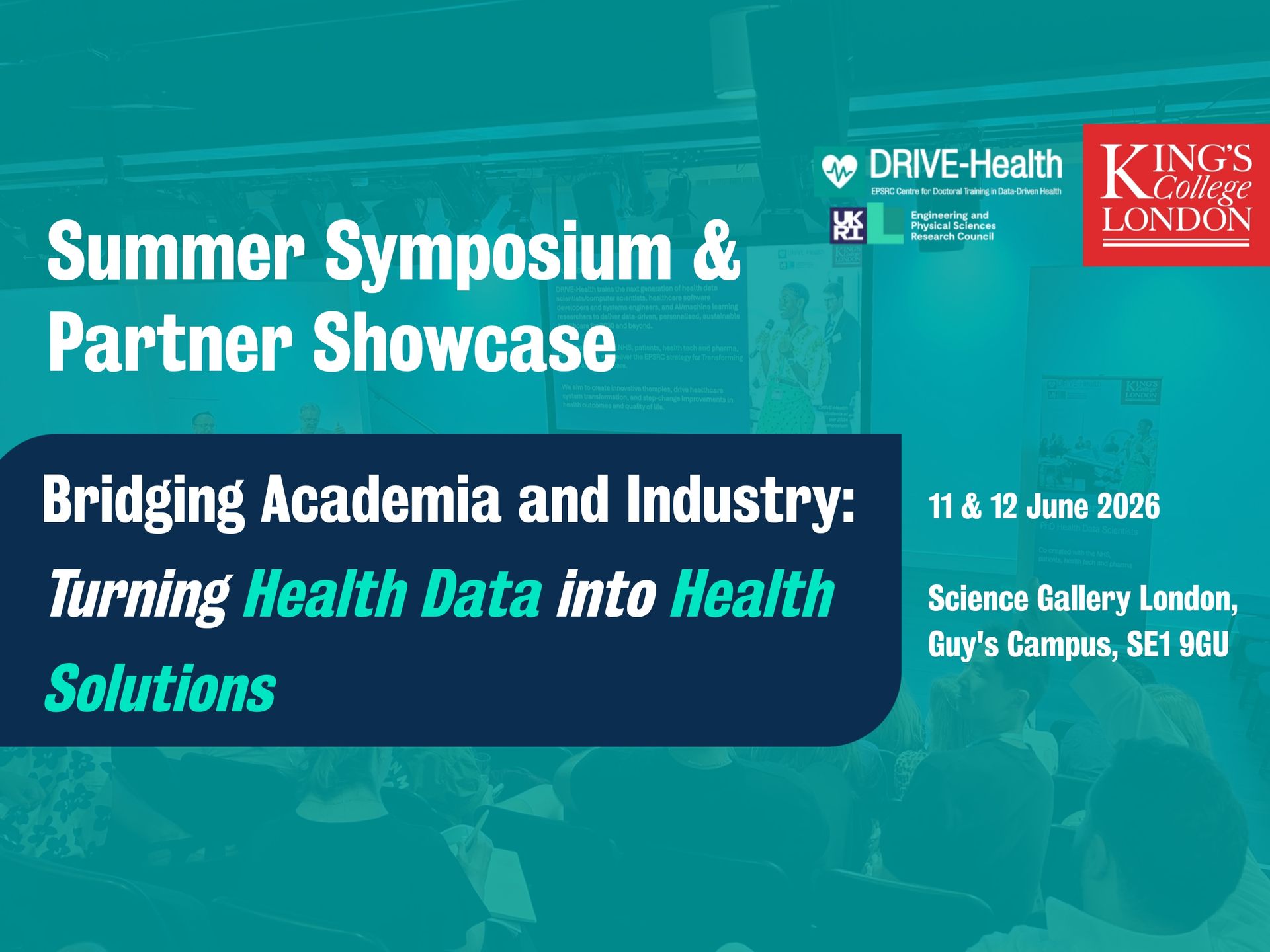
We are thrilled to invite John Vardakis to speak at our EPSRC DRIVE-Health CDT's summer symposium next month. John joins us from Science Card to talk about " Exploring the Frontier: The future of GenAI Investments and Collaborations in Industry and Academia ." John Vardakis, PhD , has a diverse work experience, primarily in the field of scientific research. John is currently serving as the Head of Science Card Investment Group at Science Card, where they are involved in innovative banking. Previously, they worked as a Research Scientist at the University of Glasgow, where they focused on simulation-driven microelectromechanical systems design. John also worked as a Research Scientist at INSERM, investigating tumor mechanics and vascular fractality quantification. At the Center for Computational Imaging & Simulation Technologies in Biomedicine (CISTIB), they conducted research in cardiovascular and cerebrovascular biomechanics. Their work at UCL involved computational modeling of dementia and image-guided neurosurgery for epilepsy. John completed their DPhil in Biomedical Engineering at the University of Oxford, where their research focused on fluid transport in the brain. John also gained experience in the fields of vascular diagnosis and market research at the University of Heidelberg and P2i, respectively. Additionally, they worked as a Mechanical Engineer at Enactus and completed a placement at King's College London's Centre for Robotics Research. John Vardakis, PhD has a strong educational background in engineering and innovation. John obtained their Bachelor of Engineering (BEng) degree in Mechanical Engineering from King's College London in the years 2005 to 2008. John then pursued further education at the University of Oxford, where they completed the Centre for Doctoral Training in Healthcare Innovation from 2009 to 2010. Following this, they earned a Doctor of Philosophy (PhD) degree in Biomedical/Medical Engineering from the University of Oxford from 2010 to 2014. During their time at Oxford, they also pursued a diploma in Strategy & Innovation (Science Innovation Plus programme) from Saïd Business School, University of Oxford, from 2011 to 2012. In addition to their academic degrees, John Vardakis has obtained additional certifications. In December 2010, they received a Mathwork Training Certificate for completing the "Deploying MATLAB Based Applications - .NET Edition" course. John also obtained another Mathwork Training Certificate in December 2010 for completing the "MATLAB Programming Techniques" course. Registration is required, please email drivecdt@kcl.ac.uk for further event details. Our annual Symposium is a one-day face-to-face event for all DRIVE-Health students, academic supervisors, stakeholders and partners. Our aim is to discuss translating scientific and technological innovations in AI and data science, from research to clinical practice and commercial enterprise. The symposium will feature keynote talks, panel discussions, and poster presentations showcasing cutting-edge research and successful case studies. We will also celebrate our coming together with networking drinks at the end of the symposium. The EPSRC DRIVE-Health Centre for Doctoral Training is training the next generation of PhD health data scientists to become the innovation leaders of tomorrow. Our students work within an active NHS environment, and develop new models of data-driven care, whilst leveraging significant recent investment and infrastructure in Health Data Research within the UK. By registering for this event, you give consent to provide your name, e-mail address and registration information with King's College London for the purposes of managing the EPSRC DRIVE-Health CDT's Summer Symposium. Your personal data will be managed by those organisations and by Eventbrite according to their published privacy policies.
May 22, 2024
We are delighted to share that one of our EPSRC DRIVE-Health CDT students and PhD candidate at the IoPPN, Dina Farran, has been awarded 1st prize presentation at the recent Royal College of Psychiatrists Faculty of Liaison Psychiatry annual conference earlier this month. Dina is working under the supervision of Professor Fiona Gaughran and Professor Mark Ashworth and is about to submit her thesis at the end of this month. In the presentation, Dina summarised her PhD project consisting of a literature review, 2 observational studies, an intervention and 2 qualitative studies. Dina provides further detail below. Background Atrial fibrillation (AF), the most prevalent cardiac arrhythmia, is associated with an increased risk of stroke contributing to heart failure and death. In this project, we aim to improve patient safety by screening for stroke risk among people with AF and co-morbid mental illness. Methods (a) Conducted a systematic review and meta-analysis on prevalence, management, and outcomes of AF in people with Serious Mental Illness (SMI) versus the general population. (b) Evaluated oral anticoagulation (OAC) prescription trends in people with AF and co-morbid SMI in King’s College Hospital. (c) Identified the recorded rates of OAC prescription among people with AF and various mental illnesses and evaluated the association between mental illness severity and OAC prescription in eligible patients in South London and Maudsley (SLaM) NHS Foundation Trust. (d) Implemented an electronic clinical decision support system (eCDSS) consisting of a visual prompt on patient electronic Personal Health Record to screen for AF-related stroke risk in three Mental Health of Older Adults wards at SLaM. (e) Assessed the feasibility and acceptability of the eCDSS by qualitatively investigating clinicians’ perspective of the potential usefulness of the eCDSS (pre-intervention) and their experiences and their views regarding its impact on clinicians and patients (post-intervention). Results (a) People with SMI had low reported rates of AF. AF patients with SMI were less likely to receive OAC than the general population. When receiving warfarin, people with SMI, particularly bipolar disorder, experienced poor anticoagulation control compared to the general population. Meta-analysis showed that SMI was not significantly associated with an increased risk of stroke or major bleeding when adjusting for underlying risk factors. (b) Among AF patients having a high stroke risk, those with co-morbid SMI were less likely than non-SMI patients to be prescribed any OAC, particularly warfarin (but not DOACs). However, there was no evidence of a significant difference between the two groups since 2019. (c) Adjusting for age, sex, stroke and bleeding risk scores, patients with AF and co-morbid SMI were less likely to be prescribed any OAC compared to those with dementia, substance use disorders or common mental disorders. Among AF patients with co-morbid SMI, warfarin was less likely to be prescribed to those having alcohol or substance dependency, serious self-injury, hallucinations or delusions and activities of daily living impairment. (d) Clinicians were asked to confirm the presence of AF, clinically assess stroke and bleeding risks, record risk scores in clinical notes and refer patients at high risk of stroke to OAC clinics. (e) Clinicians reported that the eCDSS saved time, prompted them towards guidelines, boosted their confidence, and identified patients at risk. Perceived barriers to using the tool included low admission rate of AF cases, low or insufficient visibility of the alert/awareness of the tool, and impact of the eCDSS on workload. Conclusions This study presents a unique opportunity to quantify AF patients with mental illness who are at high risk of severe outcomes, using electronic health records. This has the potential to improve health outcomes and therefore patients' quality of life.
May 17, 2024
We are delighted to announce our first keynote speaker for the EPSRC DRIVE-Health CDT's summer symposium next month. Dr Dina Demner-Fushman joins us from the National Library of Medicine (NLM) to talk about "Getting AI generated results into decision support workflows: research, clinical and policy perspectives." Dina will share insights drawn from her experience utilising a Clinical Decision Support (CDS) tab within the National Institutes of Health's EHR system, and present recent research on the application of LLMs for predicting patient outcomes and generating progress notes. Dina Demner-Fushman, MD, PhD is an Investigator at the National Library of Medicine, NIH, HHS. Dr. Demner-Fushman leads research in the areas of Text and Image Processing for Clinical Decision Support and Education. The outgrowths of these projects are the evidence-based decision support system used at the NIH Clinical Center from 2009 to 2020, an image retrieval engine, Open-i, launched in 2012, and an automatic question answering service CHiQA launched in 2018. Dr. Demner-Fushman earned her doctor of medicine degree from Kazan State Medical Institute in 1980, and clinical research Doctorate (PhD) in Medical Science degree from Moscow Medical and Stomatological Institute in 1989. She earned her MS and PhD in Computer Science from the University of Maryland, College Park in 2003 and 2006, respectively. She earned her BA in Computer Science from Hunter College, CUNY in 2000. She authored more than 300 articles and book chapters in the fields of information retrieval, natural language processing, and biomedical and clinical informatics. Dr. Demner-Fushman is a Fellow of the American College of Medical Informatics (ACMI), an Associate Editor of the Journal of the American Medical Informatics Association, a member of Nature’s Scientific Data Editorial Board, chair of AMIA NLP SIG (2020-2023), and a founding member of the Association for Computational Linguistics (ACL) Special Interest Group on biomedical natural language processing. As the secretary and now chair of this group, she has been an essential organizer of the yearly ACL BioNLP Workshop since 2007. Dr. Demner-Fushman has received sixteen staff recognition and special act NLM awards since 2002. She is a recipient of the 2012, 2022, and 2023 NIH Award of Merit, a 2013 NLM Regents Award for Scholarship or Technical Achievement and a 2014 NIH Office of the Director Honor Award. Registration is required, please email drivecdt@kcl.ac.uk for further event details. Our annual Symposium is a one-day face-to-face event for all DRIVE-Health students, academic supervisors, stakeholders and partners. Our aim is to discuss translating scientific and technological innovations in AI and data science, from research to clinical practice and commercial enterprise. The symposium will feature keynote talks, panel discussions, and poster presentations showcasing cutting-edge research and successful case studies. We will also celebrate our coming together with networking drinks at the end of the symposium. The EPSRC DRIVE-Health Centre for Doctoral Training is training the next generation of PhD health data scientists to become the innovation leaders of tomorrow. Our students work within an active NHS environment, and develop new models of data-driven care, whilst leveraging significant recent investment and infrastructure in Health Data Research within the UK. By registering for this event, you give consent to provide your name, e-mail address and registration information with King's College London for the purposes of managing the EPSRC DRIVE-Health CDT's Summer Symposium. Your personal data will be managed by those organisations and by Eventbrite according to their published privacy policies.
News, Views & Insights